%20(4%20x%206%20in)_20260116_175012_0000.jpg)

Neurology Referrals
We offer evaluation and treatment of conditions affecting the brain, spine, and nervous system, including seizures, paralysis, and other neurological disorders.
- RCVS Outstanding
- Personal Contact
- Fixed pricing, results within 4 hours*
.jpg)
Award-winning veterinary care you can trust




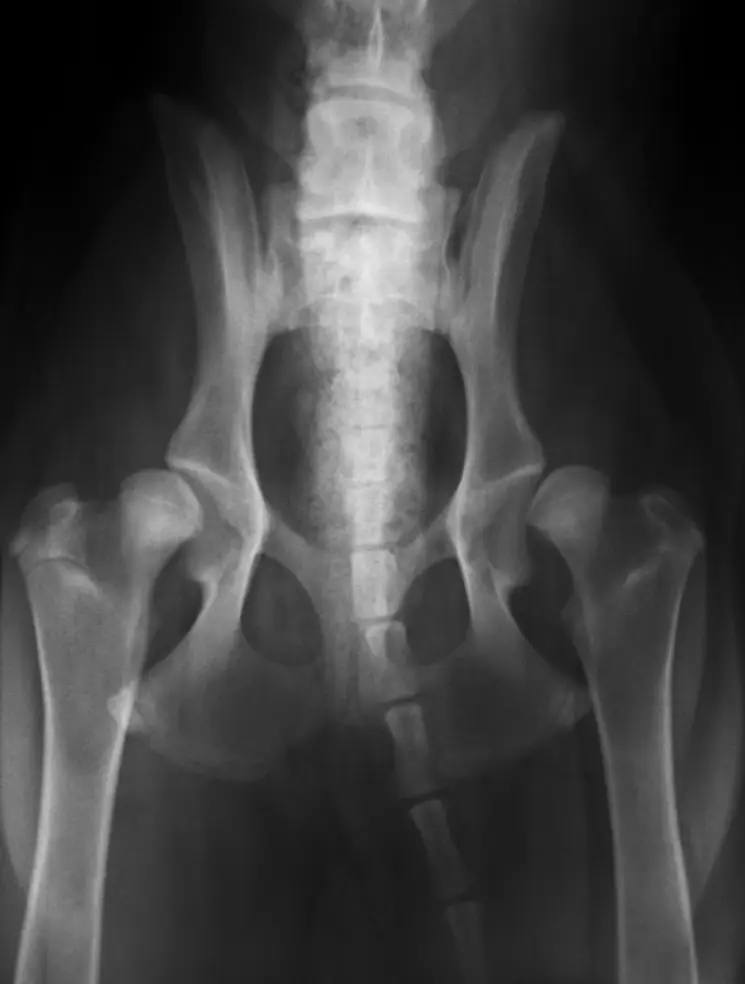
Spinal Surgery
Intervertebral disc disease represents the most common cause of spinal cord injury in dogs and can occasionally occur in cats.
Intervertebral Disc Disease (IVDD) is a broad term, widely used by veterinary clinicians, referring to disc degeneration and clinical neurological disease due to disc herniation.
IVDD can lead to Intervertebral disc herniation which consists of the displacement of the Intervertebral Disc (IVD) from its physiological site leading to spinal cord compression and causing severe inflammation and pain.
The IVD is a cylinder-shaped structure that lies between adjacent surfaces of the vertebrae. All the IVDs consist of three different anatomical parts: the outer annulus fibrosus, the central nucleus pulposus, and the cartilage end-plate that anchor the disc cranially and caudally to the adjacent vertebral bone. The dynamic interplay of these portions is responsible of the unique functional property of intervertebral discs. They act as viscoelastic hydrodynamic cushions absorbing shocks and providing spinal flexibility.
What causes IVDD?
IVD herniation typically occurs following disc degeneration, although, in rare cases, exogenous trauma can be implicated as well, resulting in the herniation of a non-degenerative IVD.
Disc herniation has been sub-classified as a disc extrusion or Hansen type I, and a disc protrusion or Hansen type II, based on morphology, gross pathology and MRI. Differentiating these subtypes of IVD herniation may lead to different treatment recommendations and outcomes.
HANSEN TYPE I
Disc extrusion (Hansen type I) is a type of disc herniation associated with a defect in all layers of the annulus fibrosus which allows displacement of the degenerative nucleus pulposus into the vertebral canal.
It occurs when the disc is no longer able to act as a shock absorber or help with the weight load put on the spine. This happens when the disc undergoes degenerative processes that make it dehydrated. When the IVD degenerates, even normal movements such as jumping or twisting can lead to acute disc herniation. The onset of clinical signs is usually acute.
This process can be age-related but there are certain predisposed breeds that can suffer disc problems from when they are young adult dogs.
These breeds are referred as ‘chondrodystrophic’ and are characterized by having disproportionably short and curved limbs, such as:

Dachshund
Bassett hound
Corgi
Beagle
Cocker spaniel
Pekingese
Poodle
English Bulldog
French Bulldog
Although the majority of the dogs above are small to medium breeds, larger breeds can also be affected.
HANSEN TYPE II
A Disc Protrusion (Hansen type II) is more similar to human disc disease and consists of a slow protrusion of the disc into the vertebral canal.) It occurs when a rupture affects the inner layers of the annulus fibrosus while the outer layers remain intact and bulging. This event leads to partial displacement of the nucleus pulposus into the disrupted annulus fibrosus.
The onset is usually chronic, with developing clinical signs in weeks to months. This type of IVDD is more common in large non- chondrodystrophic breeds such as German shepherd and Labrador retriever.
Clinical signs associated with IVDD
The severity of clinical signs may vary from pain only to severe neurologic dysfunction, as detailed in the following scale:
Grade I
Spinal hyperesthesia. Ambulatory with no other deficits noted.
Grade II
Tetra or Paraparesis. Ambulatory with loss of proprioceptive function, weakness and ataxia.
Grade III
Tetra or Paraparesis. Non-ambulatory, but evidence of voluntary movement in the limbs.
Grade IV
Tetra or Paraplegia. Non-ambulatory, with no evidence of voluntary movement in the limbs, deep pain sensation present. Urinary incontinence.
Grade V
Paraplegia. As above, with no evidence of deep pain perception.
This grading system is of help in describing the degree of injury; however, as a prognostic indicator, the most significant factor is the presence or absence of deep pain sensation.
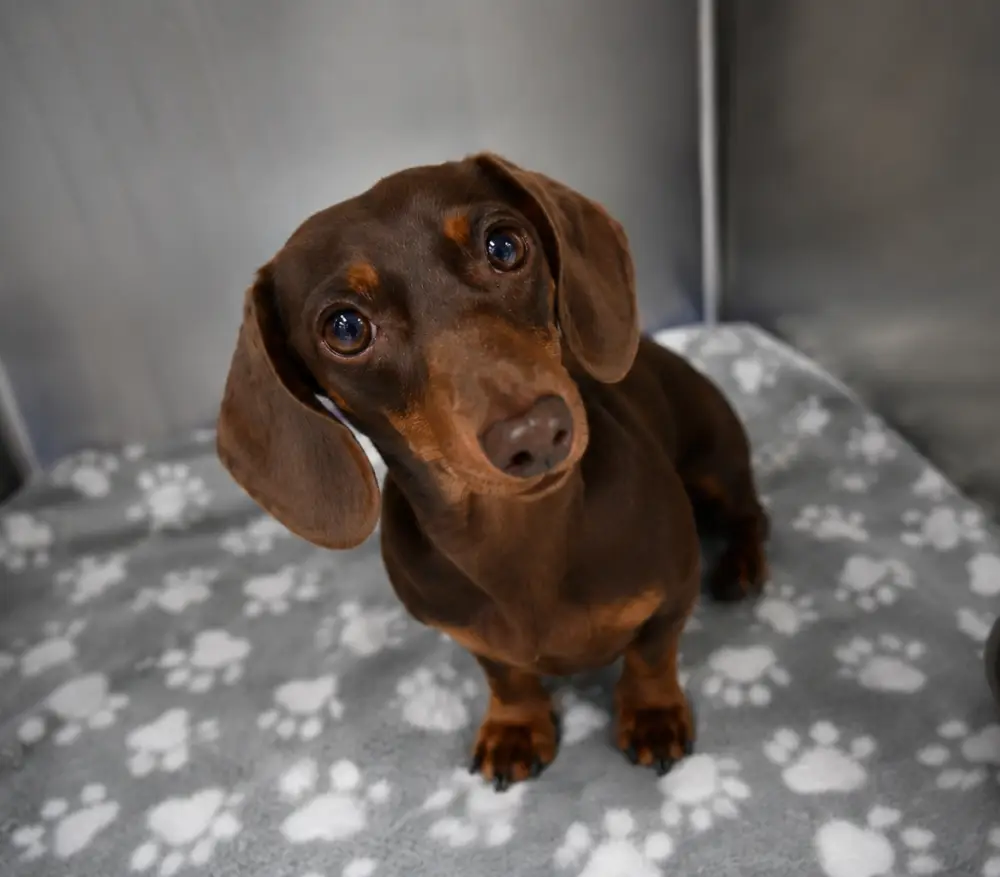
Diagnosis
The first step of almost any diagnostic protocol is the signalment, the collection of a thorough history and a complete physical examination. In the investigation of the patient with suspected IVD herniation, a complete neurological examination is carried out with the aims to localise the lesion to specific spinal cord segments and to determinate its severity.
Spinal radiographs may reveal characteristic changes of disc disease such as calcified disc material within the vertebral canal or narrowing of the IVD space or the foramen, however, radiographs rarely provide the accurate conformation and localisation required for surgical management.
For a definitive diagnosis it is necessary to demonstrate spinal cord compression, which can be obtained by CT or MRI. Patients must lie completely still for their scan and this is only possible with the use of sedation (for CT) or general anaesthesia (for MRI).
Conservative treatment may be considered in grade I and II cases, although the recovery period is significantly shorter with surgical treatment. In grades II to V the surgical treatment increases the success rate and should be considered. It’s important to note that for Grade V cases surgery should be performed within 48hours of the first clinical signs, after which the prognosis worsens.
Contact Northwest Referrals for more information. Tel: 01942 242001 or send us an email at info@northwestreferrals.co.uk.
Meet Our Referral Team
Meet our highly trained, multidisciplinary referral team, who work together to provide care across imaging and surgery. Our clinicians have access to a wide network of specialists in diagnostic imaging, orthopaedics, neurosurgery, and soft tissue surgery, ensuring your pet has access to the right support at every stage of their care.
They are supported by a dedicated team of 12 qualified veterinary nurses and 6 experienced support staff, all working closely to deliver safe, compassionate, and seamless care. We are also supported by our animal ambulance driver, helping to safely transport patients when needed.
Together, our team is committed to providing the highest standard of veterinary care with kindness, skill, and attention to every patient.
.jpg)
%20Shepherd%20-%20CertAVP%20PgCert%20VPS%20MRCVS.jpeg)
.jpg)
%20GPCert%20Pgc(SAS)%20MRCVS%20(1).jpg)
Our facility
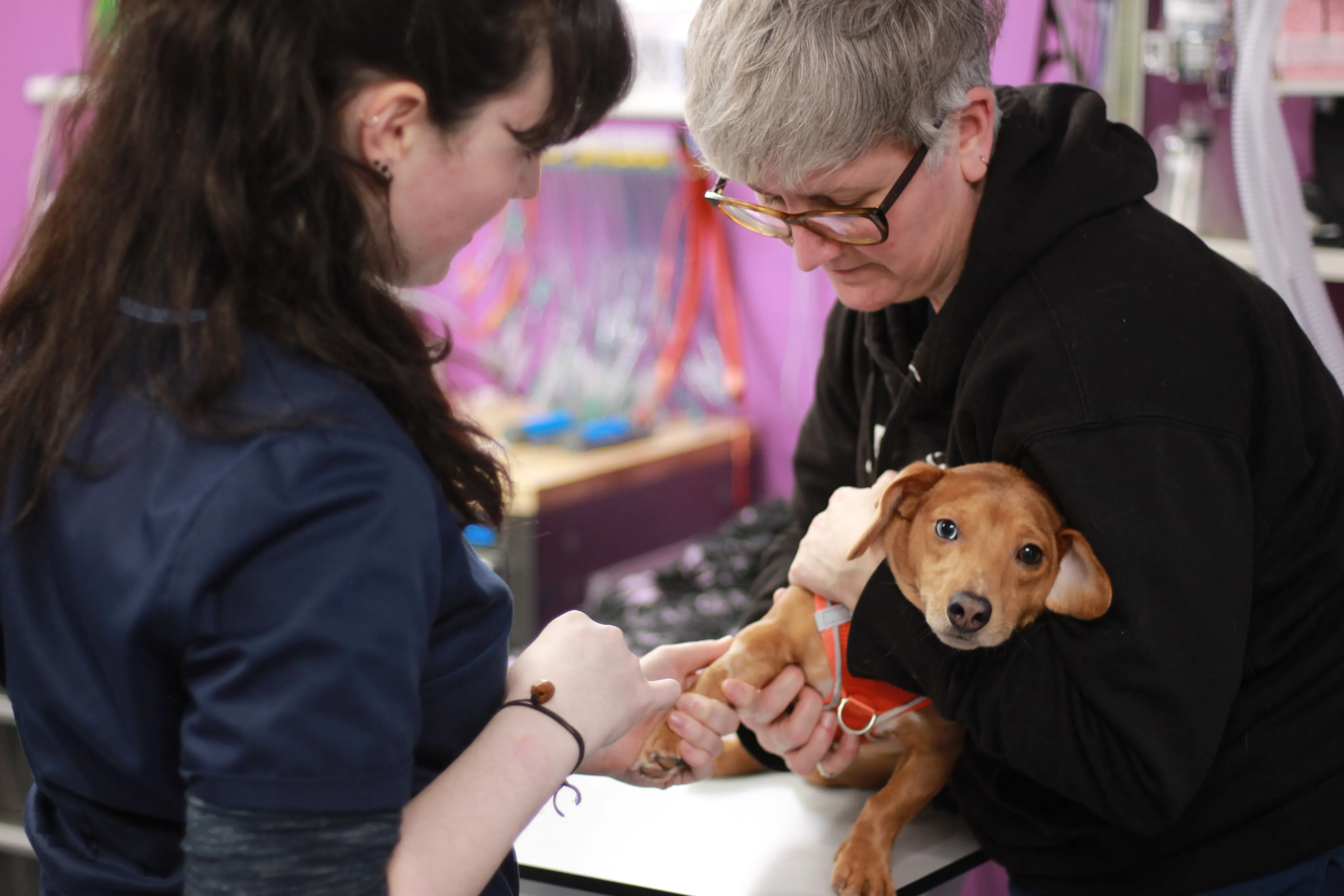
Although we have a state-of-the-art award winning hospital and highly trained staff we can offer our services at much lower costs to our competitors. We are also transparent and fixed price so there are no surprises.
.jpg)

.jpg)
Transparent pricing. No surprises.
The prices below reflect the full cost of advanced-level diagnostics and treatment at our Wigan facility. Prices are shown all-inclusive of everything so what you see is what you get. No surprises. If you have any questions, please don't hesitate to get in touch.
CT Scan
Click to toggle
1-2 Regions
£1,195
Includes sedation or GA, contrast, and report from European Diplomat in Diagnostic Imaging
3-4 Regions
£1,500
Includes sedation or GA, contrast, and report from European Diplomat in Diagnostic Imaging
Full body
£2,000
Includes sedation or GA, contrast, and report from European Diplomat in Diagnostic Imaging
Imaging
Hemilaminectomy (IVDD) (T1-S1)
Click to toggle
This includes all consumables, catheterisation, general anaesthetic, hospitalisation for one night (further days are charged at £250/night).
Plus, a post operative CT scan
£3,995
Neurology
Cruciate Ligament (TPLO)
Click to toggle
This includes pre-operative x-rays, all consumables, general anaesthetic and hospitalisation for one night.
Bilateral TPLO
£4,800
£2,500
Orthopaedics
Total Ear Canal Ablation (TECA) Unilateral
Click to toggle
This includes all consumables, general anaesthetic and hospitalisation for one night. If bilateral it is an extra £800.
£2,000
Soft Tissue
Rhinoplasty & Soft Palate Resection (BOAS)
Click to toggle
This includes all consumables, general anaesthetic and hospitalisation for one night.
With CT Scan
£3,000
£1,995
Soft Tissue
VBO
Click to toggle
This includes all consumables, general anaesthetic and hospitalisation for one night.
£1,995
Soft Tissue
Complete Perineal Hernia Surgery
Click to toggle
This includes all consumables, general anaesthetic and hospitalisation for one night.
£2,000
Soft Tissue
Cystotomy
Click to toggle
This includes all consumables, general anaesthetic and hospitalisation for one night.
£1,295
Soft Tissue
Foreign Body (Gastric)
Click to toggle
This includes all consumables, general anaesthetic and hospitalisation for one night.
£1,800
Soft Tissue
Foreign Body (Endoscopic Removal)
Click to toggle
This includes all consumables, general anaesthetic and hospitalisation for one night.
£1,000
Soft Tissue
Anal Saculectomy
Click to toggle
This includes all consumables, general anaesthetic and hospitalisation for one night.
£2,500
Soft Tissue
Caudectomy
Click to toggle
This includes all consumables, general anaesthetic and hospitalisation for one night.
£2,000
Soft Tissue
Cherry Eye
Click to toggle
This includes all consumables, general anaesthetic and hospitalisation for one night.
£1,800
Soft Tissue
Enterotomy
Click to toggle
This includes all consumables, general anaesthetic and hospitalisation for one night.
£2,000
Soft Tissue
Enterectomy
Click to toggle
This includes all consumables, general anaesthetic and hospitalisation for one night.
£3,000
Soft Tissue
Gastropexy
Click to toggle
This includes all consumables, general anaesthetic and hospitalisation for one night.
£2,500
Soft Tissue
Laryngeal Tie Back
Click to toggle
This includes all consumables, general anaesthetic and hospitalisation for one night.
£2,500
Soft Tissue
Laparascopic Biopsy
Click to toggle
This includes all consumables, general anaesthetic and hospitalisation for one night.
£800
Soft Tissue
Laparascopic Spay
Click to toggle
This includes all consumables, general anaesthetic and hospitalisation for one night.
£500
Soft Tissue
Salivary Mucocele
Click to toggle
This includes all consumables, general anaesthetic and hospitalisation for one night.
£2,500
Soft Tissue
Splenectomy
Click to toggle
This includes all consumables, general anaesthetic and hospitalisation for one night.
£2,000
Soft Tissue
MRI Scan
Click to toggle
1 Region
£1,495
Includes sedation or GA, contrast, and report from European Diplomat in Diagnostic Imaging
Multiple Regions
£1,895
For both brain or spine, this includes general anaesthetic.
Imaging
Ventral Slot (IVDD) (C1-C7)
Click to toggle
This includes all consumables, catheterisation, general anaesthetic, hospitalisation for one night (further days are charged at £250/night).
Plus, a post operative CT scan
£3,995
Neurology
Spinal Fracture
Click to toggle
This includes all consumables, catheterisation, general anaesthetic, hospitalisation for one night (further days are charged at £250/night).
Plus, a post operative CT scan
£4,500
Neurology
AA Subluxation
Click to toggle
This includes all consumables, catheterisation, general anaesthetic, hospitalisation for one night (further days are charged at £250/night).
Plus, a post operative CT scan
£4,500
Neurology
Pedicel Screw Stabalisation
Click to toggle
This includes all consumables, catheterisation, general anaesthetic, hospitalisation for one night (further days are charged at £250/night).
Plus, a post operative CT scan
£4,500
Neurology
Fracture Repair (Major)
Click to toggle
(Double plate, Y fracture and angular limb deformity) This includes pre-operative x-rays, all consumables, general anaesthetic and hospitalisation for one night.
£3,000
Orthopaedics
Patella Luxation
Click to toggle
This includes pre-operative x-rays, all consumables, general anaesthetic and hospitalisation for one night.
With a CT Scan
£3,000
£2,000
Orthopaedics
Total hip replacement
Click to toggle
This includes pre-operative x-rays, all consumables, all implants, general anaesthetic and hospitalisation for one night.
£5,800
Orthopaedics
Fracture Repair (Minor)
Click to toggle
(Pin, Wire, Plate and single plate) This includes pre-operative x-rays, all consumables, general anaesthetic and hospitalisation for one night.
£2,500
Orthopaedics
Angular Limb (including CT Scan)
Click to toggle
Cost
£4,000
Orthopaedics
Arthrodesis (ALL)
Click to toggle
Cost
£3,800
Orthopaedics
Amputation
Click to toggle
Cost
£2,000
Orthopaedics
Arthroscopy
Click to toggle
This includes all consumables, general anaesthetic and hospitalisation for one night. If Bilateral it is an extra £800.
£1,200
Orthopaedics
Ultrasound
Click to toggle
Abdominal
£500
This includes sedation if needed and interpretation from a RCVS practitioner or a RCVS advanced practitioner in Cardiology
Echocardiograph
£500
This includes sedation if needed and interpretation from a RCVS practitioner or a RCVS advanced practitioner in Cardiology
Full cardio work-up
£1,000
Full cardio work-up including x-rays, echocardiogram and consultation
Add-on CT Scan: £1,000
Imaging
X-Rays
Click to toggle
This includes all sedation (or general anaesthetic), as many views as needed.Including an interpretation from one of our 4 RCVS advanced practitioners
£595
Imaging
3D Guides
Click to toggle
Cost
Case dependent
Neurology
Your questions, answered
Quick answers for vets and pet owners about referrals, services, and what to expect.
Yes. Most of our procedures are covered by pet insurance policies. We provide a detailed, itemised invoice for every case, which makes the claims process straightforward. We can also assist with pre-authorisation requests. Please bring your insurance details to your appointment, or contact us in advance if you need guidance.
We provide a full, itemised written estimate before any procedure begins. The price in that estimate is the price you pay, it doesn’t change once approved. We’re one of the only referral centres in the UK to operate this way, and we’ve done so since 2008. No hidden fees, no end-of-treatment surprises.
No. While the majority of our cases come via veterinary referral, we welcome self-referring pet owners directly. You can book a consultation through our website. If you’re self-referring, it’s helpful to bring any recent vet notes or clinical history with you.
Complete our online referral form which takes under 5 minutes. You can also refer via our dedicated WhatsApp service by scanning the QR code on our contact page. Our team will review your submission and confirm the appointment, typically within a few hours. For urgent cases, call us directly on 01942 242001.
Still have questions?
Trusted by the best








Here to help, however you arrived
Whether you're a veterinary professional seeking specialist support or a pet owner looking for advanced care, we have a clear pathway for you.
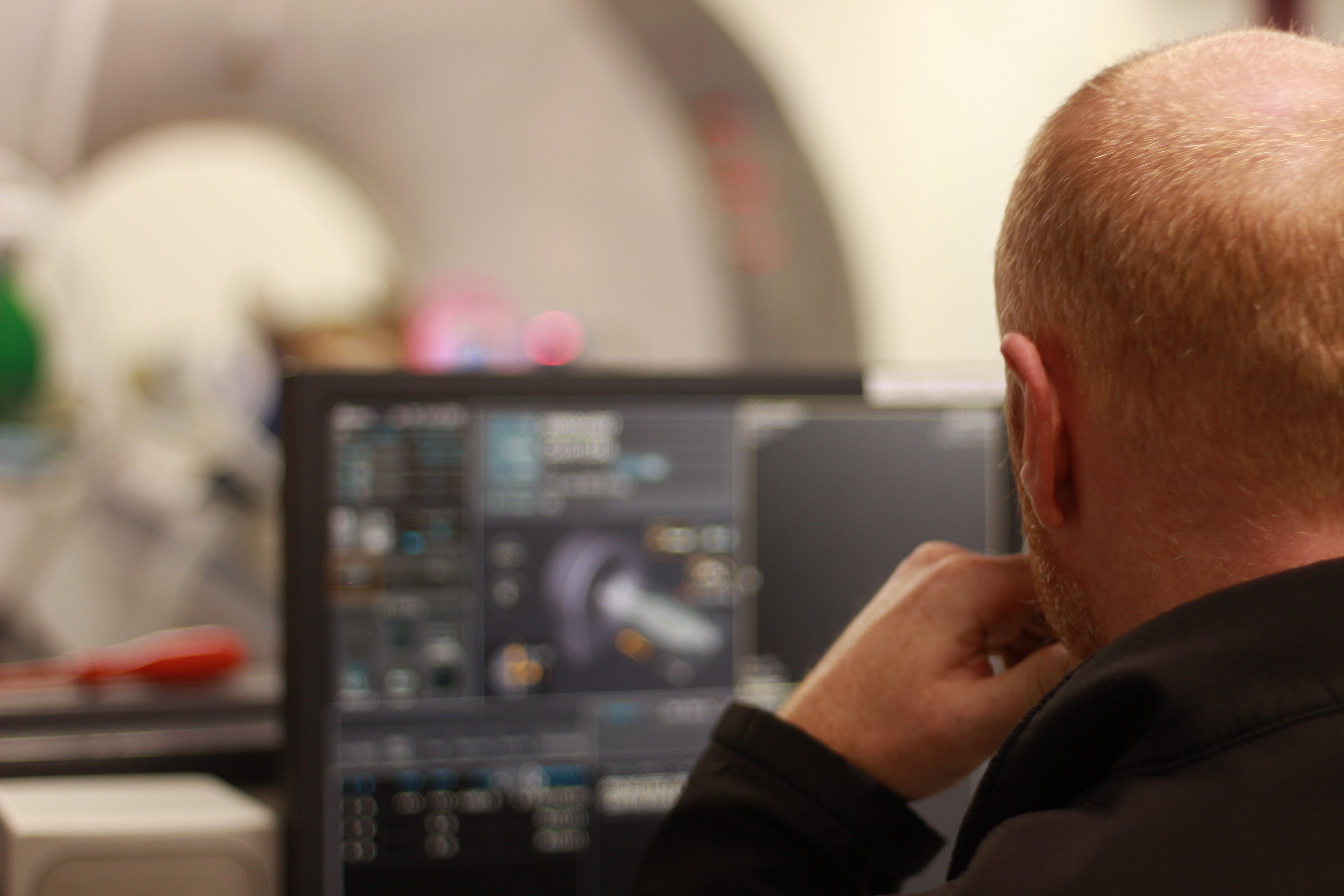
I’m a referring vet
Fast online referral, 24-hour response, detailed reports, and a dedicated WhatsApp line for case queries. Your client is in the hands of advanced practitioners from day one.
Submit a referral →
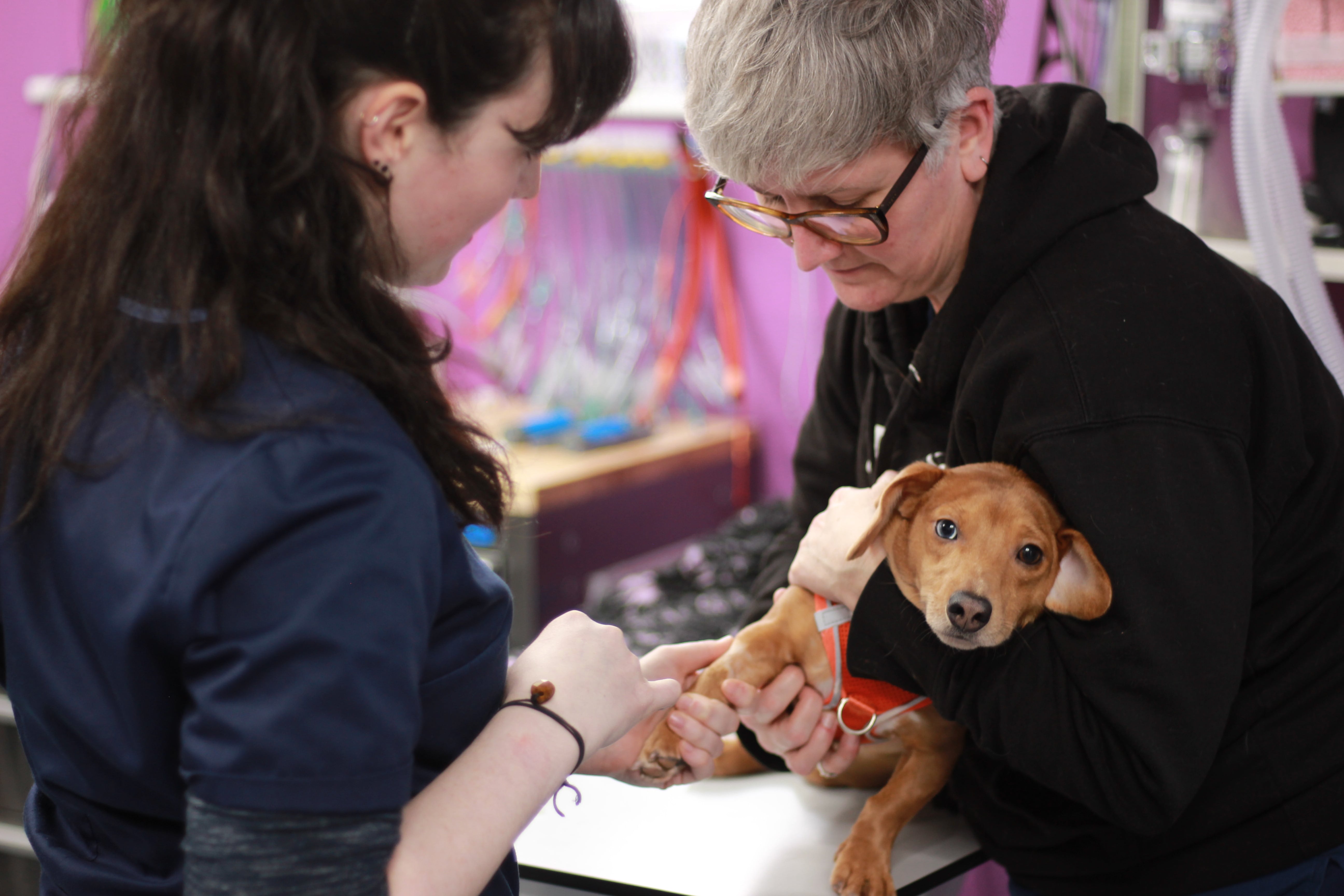
I’m a pet owner
You can come directly to us, no GP-style referral required. Get a fixed-price consultation with a named advanced practitioner, with full support throughout your pet’s care.
Book a consultation →
Get in touch
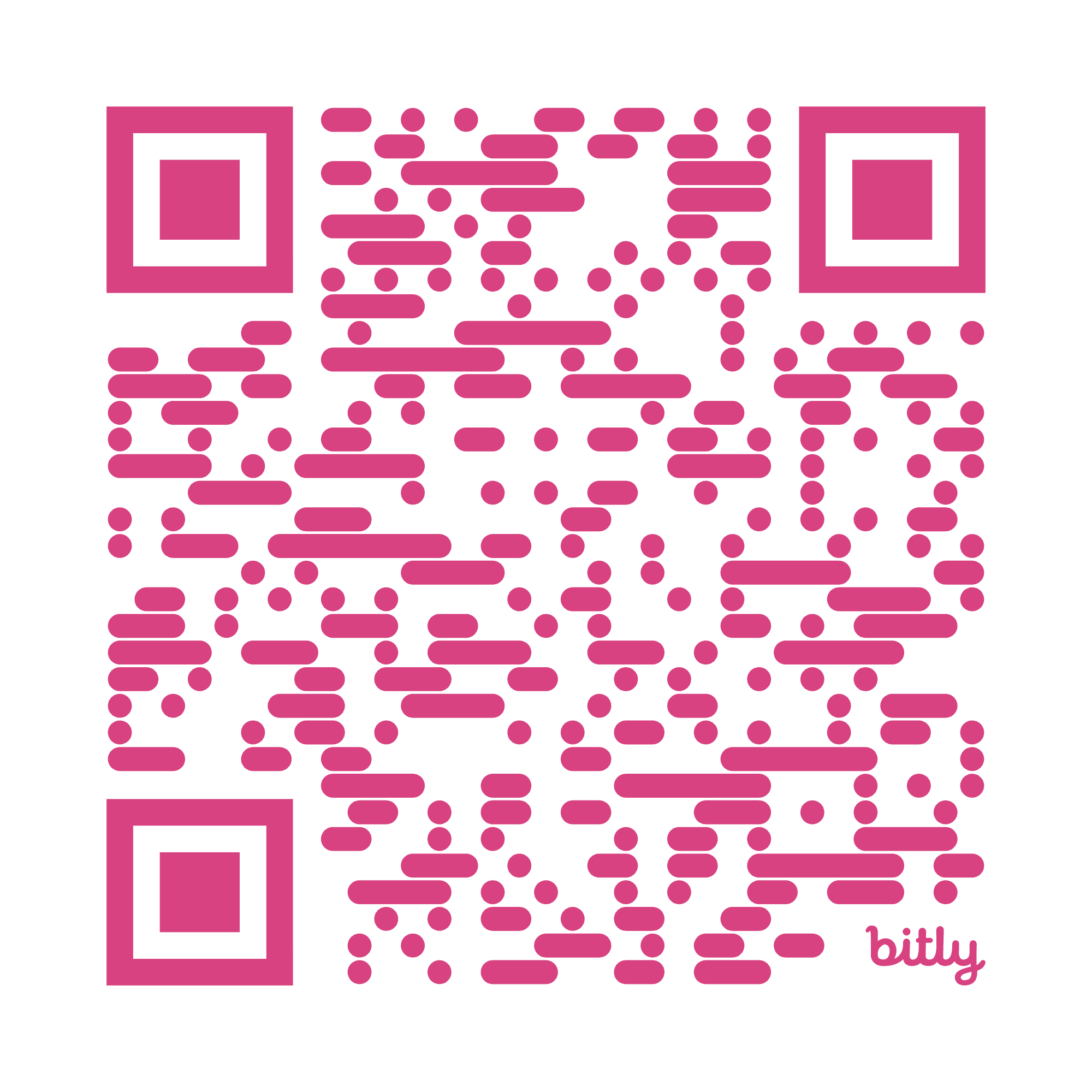
You can send WhatsApps directly to our team with questions for cases, referrals, pricing inquiries or even checking in on your inpatients!



Northwest Referrals, 19 Caroline, Wigan, WN3 4EL
Get directions →